

Diabetes mellitus is a lifelong metabolic condition. Homeopathy is used by many people in India alongside conventional care to help with day-to-day symptoms and general wellbeing — but it does not replace blood-sugar monitoring, prescribed medication or insulin. This guide explains what diabetes is, how it is diagnosed, what homeopaths commonly consider, and the warning signs that need a doctor the same day.
What is diabetes?
Diabetes mellitus (DM) is an endocrine and metabolic disorder in which the body either cannot make enough insulin, or cannot use the insulin it makes. Insulin is the hormone that moves glucose out of the bloodstream and into your cells for energy. When insulin is missing or ineffective, glucose stays in the blood — a state called hyperglycaemia.
Left uncontrolled over years, high blood glucose damages small and large blood vessels. That is what causes the familiar complications: heart disease, stroke, retinal damage, kidney disorders, nerve damage, foot ulcers and stubborn skin infections. India has one of the largest diabetic populations in the world, and a large share of cases go undiagnosed for years because early diabetes is often silent.
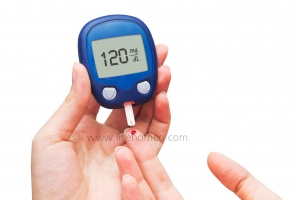
Types of diabetes and what each one means
| Type 1 diabetes | An autoimmune condition. The immune system destroys the insulin-producing beta cells of the pancreas, so the body makes almost no insulin. Usually appears in childhood or young adulthood. Insulin is essential and lifelong — it can never be stopped or substituted. |
| Type 2 diabetes | By far the most common form (roughly 9 in 10 cases). The body becomes resistant to insulin and the pancreas gradually cannot keep up. Strongly linked to weight, diet, inactivity and family history — and the form most responsive to lifestyle change. |
| Gestational diabetes | High blood glucose first appearing in pregnancy. It usually resolves after delivery but raises the mother’s later risk of type 2 diabetes, and needs close obstetric supervision because it affects the baby’s birth weight and delivery. |
| Prediabetes | Blood glucose is above normal but below the diabetic range. This is the stage at which the condition is most reversible — weight loss, diet and exercise can bring many people back to normal readings. |
Causes and risk factors
The cause depends on the type. Type 1 is autoimmune and is not caused by diet or lifestyle. Type 2 develops from a combination of factors:
- Family history — a parent or sibling with type 2 diabetes
- Excess weight, especially around the abdomen, and obesity
- Physical inactivity and long sedentary hours
- A diet high in refined carbohydrates, sugar and fried food
- Insulin resistance
- Age over 40 (though onset in India is often a decade earlier than in Western populations)
- Polycystic ovary syndrome (PCOS) in women
- A previous pregnancy affected by gestational diabetes
- High blood pressure and abnormal cholesterol
- Chronic pancreatitis, and some long-term medicines such as steroids
Symptoms to watch for
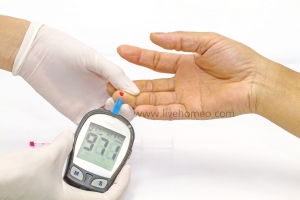 Early type 2 diabetes frequently has no symptoms at all, which is why screening matters. When symptoms do appear, they include:
- Passing urine frequently, including waking at night to urinate (polyuria)
- Excessive thirst (polydipsia) and a dry mouth
- Increased hunger (polyphagia)
- Unexplained weight loss despite eating normally
- Persistent tiredness and weakness
- Blurred vision
- Cuts and wounds that heal slowly
- Recurrent skin, gum or urinary infections, and repeated fungal infections
- Tingling, burning or numbness in the feet and hands
- Itchy, very dry skin
How diabetes is diagnosed
Diabetes is confirmed by blood tests, not by symptoms. A homeopath, like any other practitioner, should be working from your actual reports:
- Fasting plasma glucose (FPG) — 126 mg/dL or above on two occasions suggests diabetes; 100–125 mg/dL suggests prediabetes.
- HbA1c — your average blood glucose over roughly three months. 6.5% or above suggests diabetes; 5.7–6.4% suggests prediabetes. This is the single most useful number for tracking control.
- Oral glucose tolerance test (OGTT) — used especially in pregnancy.
- Random plasma glucose — 200 mg/dL or above together with classic symptoms.
If you have been diagnosed, an annual review should also include kidney function, lipid profile, a dilated eye examination and a foot examination.
How homeopathy is used in diabetes
Homeopathy is a holistic system: the homeopath takes a long case history covering your symptoms, sleep, appetite, temperament, family history and how you respond to heat, cold and stress, and then prescribes on the principle of individualisation. Two people with the same HbA1c may well receive different remedies.
In practice, people use homeopathy in diabetes as supportive care alongside conventional treatment — for the associated complaints that affect daily life: tiredness, disturbed sleep, burning or tingling feet, slow-healing skin problems, recurrent infections, and the stress and low mood that often accompany a long-term diagnosis. Homeopathic remedies are given in highly diluted form, so they are generally well tolerated and do not interact with your diabetes medicines.
What homeopathy is not is a replacement for insulin or for prescribed oral medication. Blood glucose control is measured, not felt — so however well you feel, keep testing, keep your appointments and never stop or reduce a prescribed diabetes medicine without your treating doctor’s instruction. Read more on how to avoid diabetes complications and on common myths and facts about diabetes.
Remedies homeopaths commonly consider
The remedies below appear repeatedly in homeopathic materia medica for diabetes and its associated symptoms. They are listed for information only — the correct remedy, potency and repetition must be selected by a qualified homeopath for your individual case.
| Syzygium jambolanum | The most frequently cited remedy in diabetes; used where there is excessive thirst, large quantities of urine and weakness. |
| Cephalandra indica | Considered for dryness of mouth, thirst and general debility in long-standing cases. |
| Phosphoric acid | Used where marked mental and physical exhaustion, apathy and profuse pale urine dominate the picture, often after grief or prolonged stress. |
| Uranium nitricum | Considered where there is emaciation with great thirst and urinary symptoms. |
| Abroma augusta | Used for dry mouth, intense thirst, weakness and disturbed sleep. |
| Sulphur, Lycopodium, Natrum muriaticum | Constitutional remedies chosen on the whole-person picture rather than on the diagnosis alone. |
Diet and lifestyle that genuinely move the numbers
Whatever else you do, these are the measures with the strongest effect on type 2 diabetes:
- Lose 5–10% of body weight if you are overweight. This single step improves insulin sensitivity more than almost anything else — see our weight-loss guidance.
- Change the carbohydrate, not just the quantity. Replace white rice and refined flour with whole grains, millets, oats and pulses. Pair carbohydrates with protein and vegetables to blunt the glucose spike.
- Eat at regular times and avoid long gaps followed by large meals.
- Move for at least 30 minutes on most days — even a brisk walk after dinner lowers post-meal glucose. See benefits of regular exercise.
- Fill half the plate with vegetables and include fibre-rich foods — our guide to healthy eating to control diabetes covers this in detail.
- Stop smoking — it multiplies cardiovascular risk in diabetes. See the harmful effects of smoking.
- Sleep 7–8 hours. Short sleep worsens insulin resistance; if sleep is a problem, read our tips to control sleeping disorders.
- Manage stress — stress hormones raise blood glucose directly. Yoga and breathing practice help.
- Check your feet every day for cuts, blisters and colour change, and never walk barefoot.
When to see a doctor urgently
Get medical help the same day — not at your next appointment — if you have:
- Vomiting, deep rapid breathing, fruity-smelling breath, abdominal pain and drowsiness (possible diabetic ketoacidosis — a medical emergency)
- Blood glucose below 70 mg/dL with sweating, shaking, confusion or fainting (hypoglycaemia)
- A foot ulcer, a wound that is not healing, or any black or discoloured area on the foot
- Sudden change in vision, floaters or loss of vision
- Chest pain, breathlessness, or stroke warning signs such as facial droop, arm weakness or slurred speech
- Persistent vomiting or fever with high readings, when you cannot keep fluids down
Frequently asked questions
Can homeopathy cure diabetes?
No. Type 1 diabetes cannot be cured by any system of medicine, and type 2 diabetes is a long-term condition that is managed rather than cured — although type 2 can go into remission with substantial weight loss and sustained lifestyle change. Homeopathy is best used as supportive care for symptoms and general wellbeing.
Can I stop my metformin or insulin if I start homeopathy?
Never on your own. Stopping insulin in type 1 diabetes is life-threatening, and stopping oral medication in type 2 can send your blood glucose sharply up without you feeling it. Any change to dosage is a decision for the doctor who prescribed it, guided by your test results.
Do homeopathic medicines contain sugar?
The pills are made of lactose or sucrose, but the quantity in a dose is very small and does not meaningfully affect blood glucose. If you prefer, ask your homeopath for the remedy in liquid form or dispensed on a neutral vehicle.
How often should I check my HbA1c?
Usually every three months while your treatment is being adjusted, and every six months once you are stable — but follow your treating doctor’s advice.
Is homeopathy safe in gestational diabetes?
Pregnancy needs close obstetric monitoring and glucose control is time-critical for the baby. Tell both your obstetrician and your homeopath what you are taking, and do not substitute homeopathy for the diet, monitoring or insulin your obstetrician advises.
Consulting a homeopath
A good consultation for diabetes is long, asks about far more than your sugar readings, and asks to see your reports. If you are looking for a practitioner, you can find a homeopathy clinic near you on LiveHomeo, or browse more articles in our diabetes section and our wider homeopathy treatments guide. New to the system? Start with what homeopathy is and how it works.
Popular Categories


0
Can Type 2 diabetes be cured completely by Homeopathy treatment?